
Data Protection for Security Operations
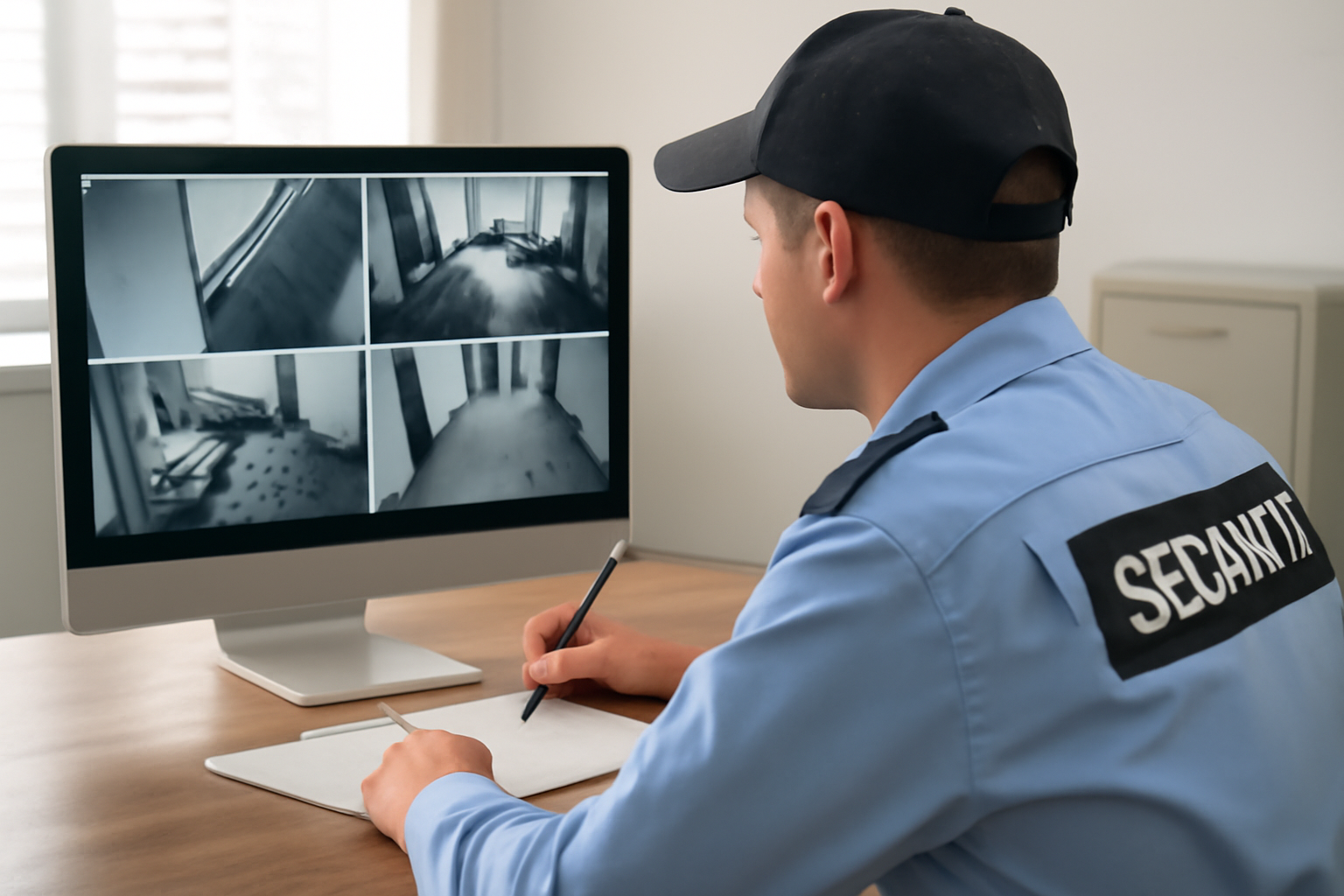
As a security guard, you often handle personal or sensitive information. That could be ID cards, visitor logs, CCTV footage, or even incident reports. It’s your job to keep that data safe. Mishandling it can lead to serious problems, including identity theft, privacy violations, or even legal trouble—for you and your employer.
Why Data Protection Matters
Every day, you interact with data that could be misused if it falls into the wrong hands. You might collect names, license plates, or video recordings. This information must be handled with care. Protecting it shows professionalism and builds trust with the public and your team.
Basic Rules for Handling Data
- Only access what you need: Don’t go through files, logs, or footage unless your duties require it.
- Keep it private: Never share sensitive details with people who don’t need to know. This includes friends, family, and even co-workers not on the case.
- Secure your tools: Lock screens when stepping away. Keep paper logs in locked cabinets. Don’t leave devices or files unattended.
- Follow site policy and local law: Each location has its own rules. Know them and follow them.
Shift Checklist: Data Protection
- ✅ Log out of systems when not in use
- ✅ Lock physical files and drawers
- ✅ Shred old paperwork if policy allows
- ✅ Report suspicious access or breaches
- ✅ Keep passwords private and strong
Common Risks and How to Avoid Them
1. Unauthorized Access
Leaving a computer unlocked or a logbook open can let anyone see private info. Always secure your station when stepping away—even briefly.
2. Sharing Data by Mistake
A visitor asks for someone’s schedule. A coworker asks for a quick look at the cameras. If they don’t have clearance, don’t share. Say: “Sorry, I can’t share that. Please check with a supervisor.”
3. Losing Devices or Notes
Phones, USB drives, and notebooks can be lost or stolen. Don’t store sensitive data on personal devices. If you must carry notes, keep them secure and turn them in after your shift.
Quick Scenario: The Found Clipboard
You’re patrolling and find a clipboard with visitor sign-in sheets left on a bench near the lobby. It has names, phone numbers, and arrival times.
What do you do?
- Secure the clipboard right away.
- Return it to the proper location or turn it in to your supervisor.
- Report the incident if required by your site policy.
This is how you protect data and show you’re alert and responsible.
3-Question FAQ
Q1: Can I talk about incidents or footage with other guards?
A: Only if both of you are assigned to the case and it’s part of your duty. Otherwise, keep it private.
Q2: What should I do if I see someone mishandling data?
A: Report it to your supervisor. Don’t confront them unless it’s an immediate safety issue.
Q3: Can I take pictures of incident reports to save for later?
A: No. Never copy, photograph, or store sensitive info on personal devices. Follow your site’s procedures for storing and sharing data.
What You Can Do Today
Start your next shift with data protection in mind. Review your site’s rules. Lock your workstation. Be careful with what you say and share. Pay attention to how others handle data. One mistake can lead to big consequences—but one smart move can prevent them.
“Security isn’t just about watching people. It’s also about guarding their information.”
Stay sharp. Stay safe. Protect the data like you protect the site.

