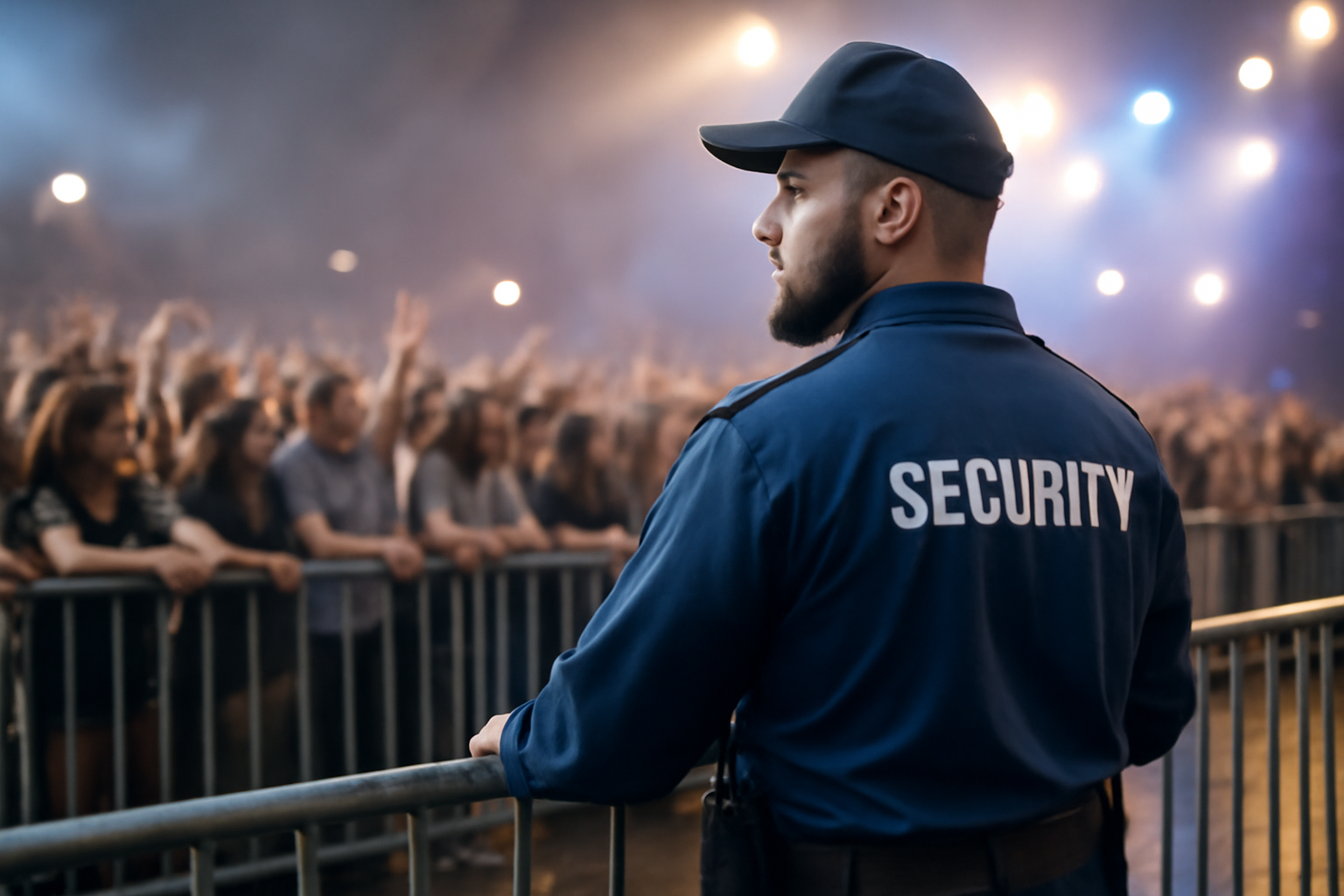
Pre-Event Security Planning
Working security at events means thinking ahead. Whether it’s a concert, sports game, or company party, your job starts before the crowd shows up. Good planning helps prevent problems. This guide walks you through how to prepare for your next event shift.
Why Pre-Event Planning Matters
Events bring people, energy, and risk. Without a plan, small issues can turn into big ones. Planning helps you:
- Spot and reduce risks
- Know your role and team contacts
- Use gear and resources the right way
- Stay ahead of crowd or weather problems
Step 1: Know the Event Details
Start with the basics. Get this info from your supervisor or the event lead:
- Date, time, and length of the event
- Type of event (concert, rally, game, etc.)
- Expected crowd size
- Venue layout (get a map if possible)
- VIPs, performers, or special guests
Knowing these details helps you think through what could go wrong—and how to stop it.
Step 2: Assess the Risks
Every event has risks. Ask yourself:
- Is this a high-energy or emotional crowd?
- Are alcohol or drugs allowed?
- Are there known threats or past issues at this location?
- What’s the weather forecast?
- Are there any protest groups or rival fans expected?
Bring up any concerns with your supervisor. Better to speak up early than react late.
Step 3: Work With Stakeholders
You won’t be alone. Events often involve many groups. These may include:
- Event coordinators
- Venue staff
- Local police or EMS
- Other security teams
Know who’s in charge. Get contact numbers. Agree on how to report problems and who handles what. Clear communication saves time and avoids confusion.
Step 4: Check the Site in Advance
If possible, walk the venue before the event. Look for:
- Entry and exit points
- Emergency exits and fire lanes
- High-risk areas (stage, bars, dark corners)
- Camera blind spots
- First aid and command post locations
Take notes or photos. A mental picture of the space helps you move fast if needed.
Step 5: Gear and Resource Prep
Make sure your gear is ready. Check all of the following:
- Radio and earpiece working and charged
- Flashlight with fresh batteries
- Notebook and pen
- Uniform clean and fits right
- Any PPE (gloves, mask, vest) if needed
Also know where to find extra water, first aid, and backup radios. Don’t assume someone else brought it.
Shift Checklist
Use this checklist before every event shift:
- ✔ Know the event name, time, and place
- ✔ Review the site map and your post
- ✔ Check in with your team lead
- ✔ Test your radio and know the call signs
- ✔ Walk your area if allowed
- ✔ Spot exits, fire lanes, and high-risk zones
- ✔ Confirm emergency contact chain
- ✔ Have your gear ready and working
Quick Scenario: Crowd Surge at the Gate
You’re posted near the main gate. Doors open in 10 minutes. A crowd starts pushing forward. People are shouting. Some are trying to jump the fence.
What to do:
- Call it in on your radio—use clear, calm words
- Don’t try to stop them alone—wait for backup
- Keep an exit path clear for yourself and others
- Follow your site policy and local law
Later, report what you saw and how the team responded. This helps improve future plans.
3-Question FAQ
What if I don’t get a site map or plan?
Ask your supervisor. If none exists, do your best to scout the area before the crowd comes in. Take notes. Share what you find with others.
How do I report a safety issue?
Use the radio or the chain of command you were given. Be brief but clear. Example: “Unit 3 to Lead, we have a blocked fire exit at north gate.”
What if another team isn’t doing their job?
Stay professional. Don’t argue. Report your concern to your supervisor. Let them handle it through the proper channels.
Action Takeaway
Don’t just show up—get ready. Know the plan, your gear, and your team. Good prep makes for a safe shift.