
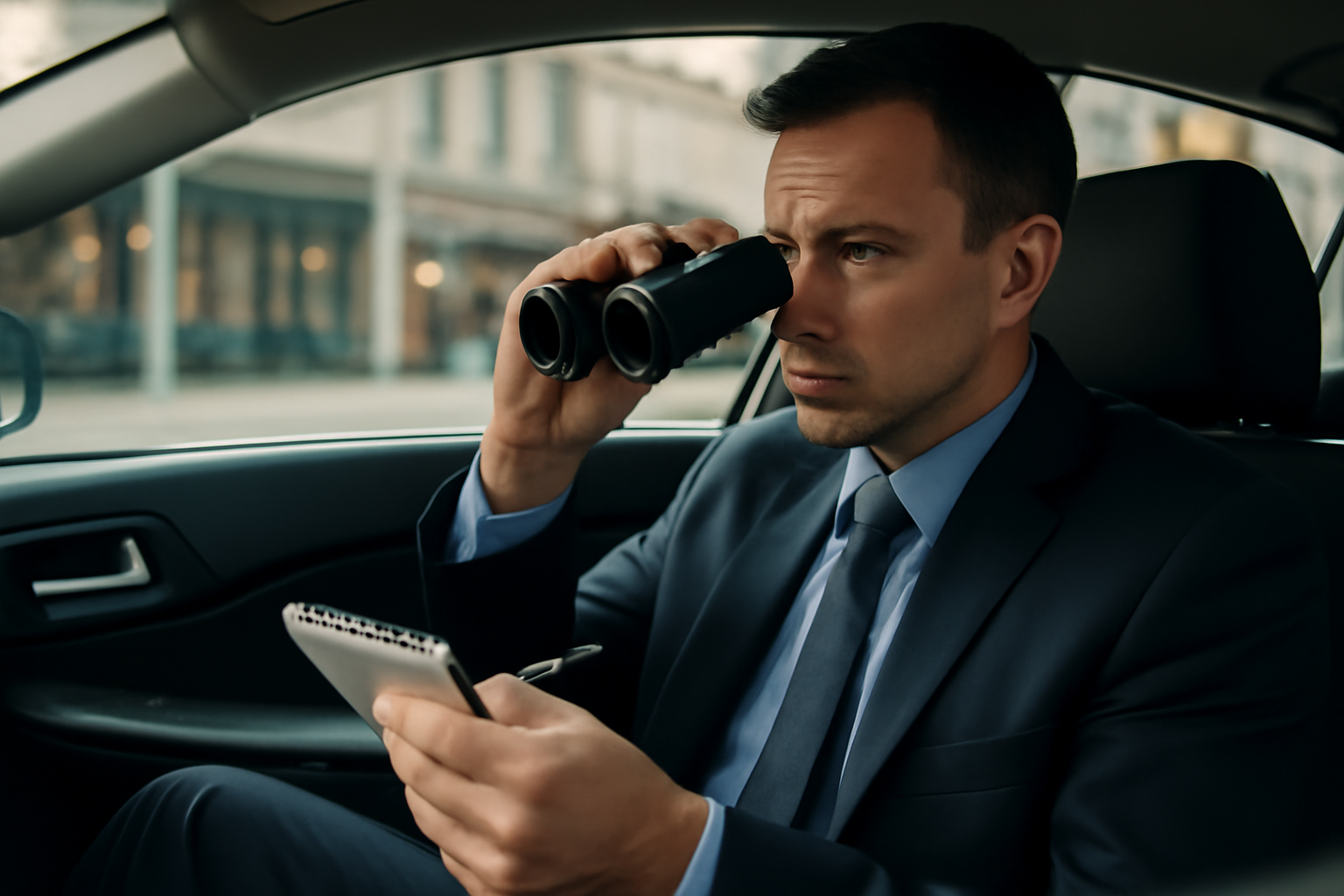
Covert Surveillance Techniques
Security officers often need to watch without being seen. Covert surveillance helps you gather information without alerting others. This skill is useful during investigations, patrols, or when watching for suspicious behavior. But you must always follow site policy and local law.
What is Covert Surveillance?
Covert surveillance means watching people or places without being noticed. You do this to collect facts or prevent harm. It can be done on foot, from a vehicle, or using tools like cameras or radios. Staying hidden is key.
When to Use Covert Surveillance
- Watching a suspected shoplifter without tipping them off
- Monitoring a parking lot for car break-ins
- Observing an employee suspected of policy violations
- Checking for trespassers at night
Before starting, make sure you’re allowed to do it. Always follow your company rules and local law.
Basic Covert Techniques
1. Blend In
Dress to match the environment. Don’t wear your full uniform if it makes you stand out. Instead, wear plain clothes that look normal for the area.
2. Use Natural Cover
Stay behind objects like parked cars, fences, or trees. Don’t hide in obvious spots. Move slowly and stay in the shadows when possible, especially at night.
3. Watch Without Staring
Use your peripheral vision. Avoid staring directly at someone for too long. Use mirrors or reflections when possible. Sunglasses can help, but don’t wear them indoors.
4. Take Notes Discreetly
Use a small notepad or your phone. Don’t hold it up high or make it obvious. Record time, location, and what you see. Keep it short and clear.
5. Communicate Quietly
Use discreet radios or earpieces. Speak in low tones. Use pre-set signals or codes if needed. Don’t draw attention when talking to your team.
Tips for Vehicle Surveillance
- Stay one or two car lengths behind the subject
- Don’t follow too closely or break traffic laws
- Use tinted windows or sunshades if allowed
- Keep the engine running if you may need to move quickly
- Know the area’s exits and shortcuts
Never engage in a chase. If you lose the subject, report it. Safety comes first.
Use of Technology
Tools can help, but don’t rely on them alone. Use cameras, binoculars, or mobile apps if your post allows it. Place cameras in legal, approved spots only. Always follow your site’s tech use policy.
Shift Checklist: Covert Surveillance
- ✔ Know your objective (who/what you’re watching)
- ✔ Wear clothing that blends in
- ✔ Check your equipment (radio, notepad, phone)
- ✔ Know the site layout and possible escape routes
- ✔ Be ready to record notes discreetly
- ✔ Confirm radio codes with your team
- ✔ Review site policy on surveillance
Quick Scenario
You’re assigned to a retail store. A shopper is acting suspiciously near high-value items. You move to a nearby aisle and watch from the corner of your eye. You keep your distance, use a shelf mirror to track movement, and quietly alert your supervisor by radio. The shopper walks out without buying anything. Later, you review footage and confirm no theft. Your quiet handling avoided a scene and kept the store safe.
3 Common Questions (FAQ)
1. Can I record video while doing covert surveillance?
Only if your site policy and local law allow it. Always check before recording.
2. What if I’m spotted?
Don’t panic. Stay calm and act casual. Change position if needed. Report to your supervisor.
3. How long should I follow someone?
Only as long as needed to observe behavior. Don’t follow off-site unless your policy allows it.
Action Takeaway
Covert surveillance is about staying unseen while doing your job. Blend in, use smart tools, and stay alert. Always follow site policy and protect your safety. Practice these techniques to stay sharp on shift.

