
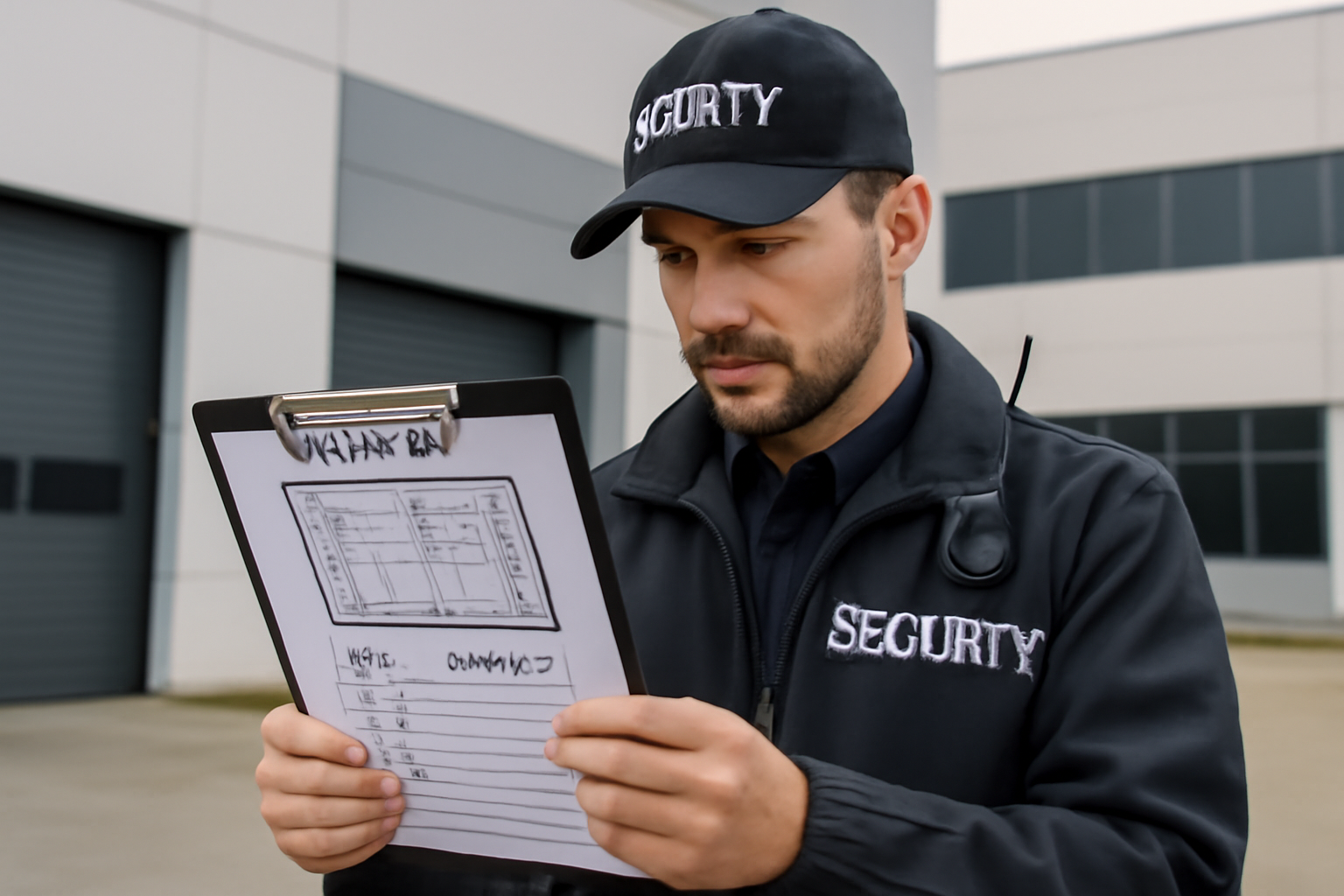
Case Studies in Security Risk Assessment
Security risk assessments help you spot problems before they become threats. But what happens when they’re done right—or wrong? These real-world examples show how assessments can protect people and property—or leave them exposed.
What Is a Security Risk Assessment?
A security risk assessment is a full look at a site’s risks. This includes threats like theft, vandalism, or safety hazards. The goal is to find weak spots and fix them before something bad happens.
As a guard, you may not lead the assessment, but you play a key part. Your daily reports, patrol notes, and shift logs feed into these reviews. Your eyes and ears on the ground matter.
Case Study #1: The Warehouse That Got It Right
A logistics warehouse in Texas handled high-value electronics. After a break-in at a nearby site, they updated their security risk assessment.
- They added motion-activated lighting in blind spots.
- They installed better locks on side doors and added cameras facing the rear alley.
- They trained guards to log every delivery and verify IDs.
Three months later, someone tried to break in through the back gate. Cameras caught the attempt, lights scared the intruder off, and police were called in time. Because of the updated assessment, the site was ready.
Takeaway: A solid assessment leads to smart changes. Even small upgrades—like lighting—can stop a crime.
Case Study #2: The Office That Skipped a Step
A mid-size office building downtown had a risk assessment—two years ago. But they didn’t update it when a new tenant moved in with expensive equipment.
One night, someone walked in during a shift change and stole laptops. The rear entrance was propped open for a delivery and no guard was posted there. Cameras didn’t cover the hallway.
The assessment hadn’t accounted for the new tenant’s needs. No one updated the patrol route or door procedures.
Takeaway: Risk assessments must be updated. New tenants, layout changes, or crime in the area should trigger a review.
Quick Scenario: You Spot a Pattern
You’re posted at a gated apartment complex. Over the last week, you’ve seen the same car parked outside the back fence late at night. Residents have reported missing packages. What do you do?
- Document the car’s description, plate number, and time.
- Report the pattern to your supervisor and site manager.
- Ask if the risk assessment for the site includes package theft risks or fence-line patrols.
Action: Don’t ignore patterns. Your notes may lead to a risk review and better protection for residents.
Shift Checklist: Risk Assessment Support
- Walk your full patrol route. Check for new hazards or broken lights.
- Note any repeat issues (open doors, blocked exits, etc.).
- Log unusual activity in detail—date, time, description.
- Ask if the site’s risk assessment has been updated in the past year.
- Follow all post orders for reporting threats or safety concerns.
FAQ: What Guards Ask About Risk Assessments
1. Do I need to know the full risk assessment for my site?
No, but you should know your post orders and the key risks for your area. Ask your supervisor if you’re not sure.
2. How often should risk assessments be updated?
Best practice is at least once a year—or anytime something major changes. That includes new tenants, crimes nearby, or new equipment on site.
3. What if I see a risk that’s not being addressed?
Report it right away. Use your log, follow site policy, and loop in your supervisor. Your input helps keep the site safe.
Action Takeaway
Stay alert. Your daily work supports the bigger picture of risk assessment. Speak up if you see new threats. A strong team effort keeps everyone safer.

