
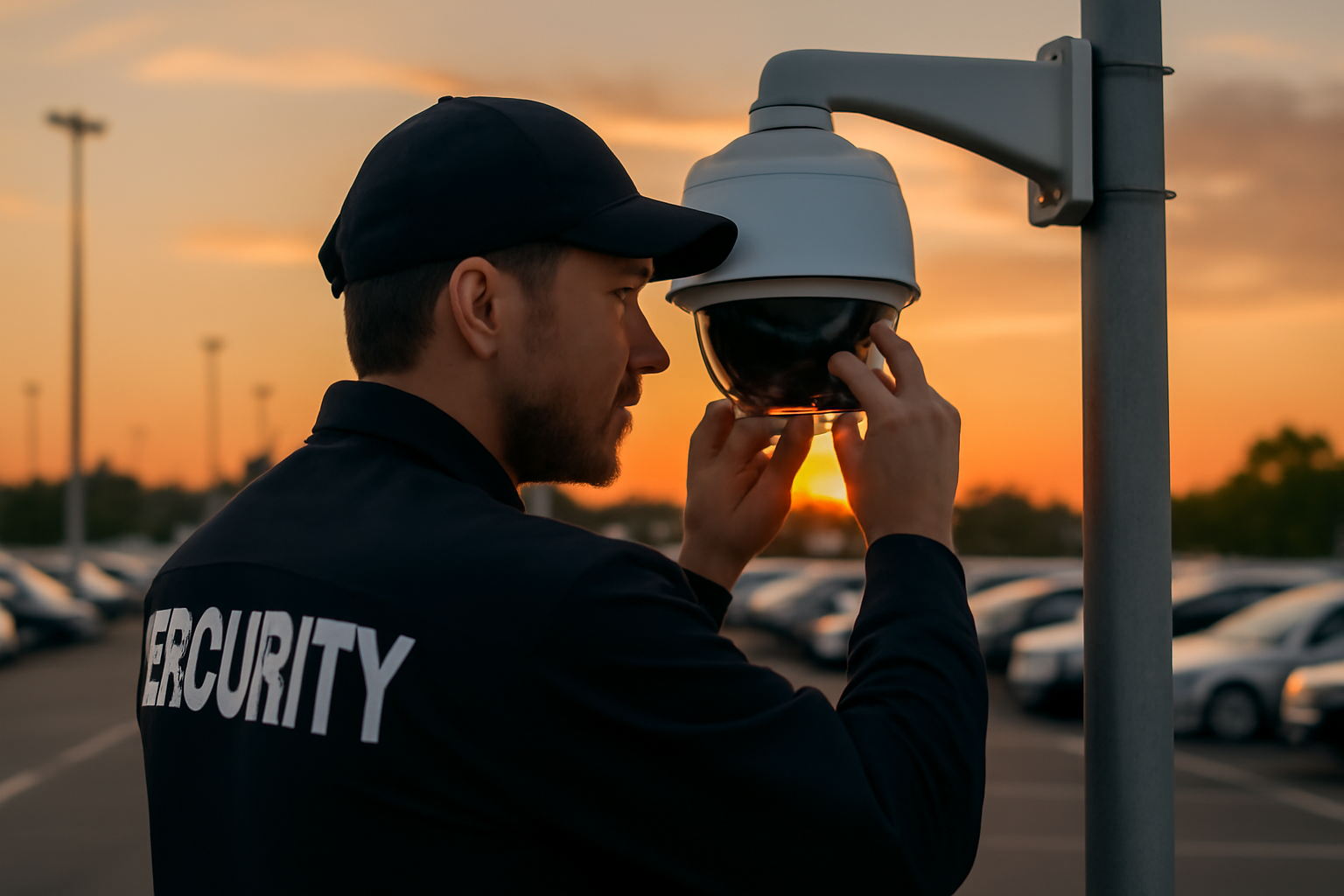
Camera Placement and Coverage Tips for Guards
As a security guard, your job includes keeping an eye on everything. Cameras help you do that—if they’re set up right. Poor placement leaves blind spots. Smart placement gives you full coverage and a better chance to stop problems before they begin.
Why Camera Placement Matters
Cameras don’t just record—they prevent. When people see a camera, they often think twice before doing something wrong. But that only works if the camera is in the right spot. Good coverage also helps you respond faster to incidents and gives clear footage if you need to review it later.
Key Areas to Cover
- Entrances and Exits: Always cover all doors and gates. You want a clear view of who comes in and out.
- Reception and Lobbies: These are high-traffic spots. Cameras here help with visitor tracking and early detection.
- Parking Lots and Garages: These areas are common for theft and vandalism. Use wide-angle lenses and good lighting.
- Loading Docks and Deliveries: Monitor all deliveries and shipments. Check for any unauthorized access.
- Blind Spots: Walk the property and spot areas not visible from posts or other cameras. Add coverage there.
Best Practices for Camera Placement
- Mount Cameras High: Place them at least 9 feet up. This prevents tampering and gives a wider view.
- Angle for Faces: Aim cameras to catch faces, not just heads or backs. For doors, angle slightly downward.
- Avoid Backlighting: Don’t point cameras toward bright lights or windows. It can make footage too dark to see clearly.
- Overlap Views: If possible, have cameras cover each other’s blind spots. This adds protection.
- Use Signs: Post signs that cameras are in use. It’s a strong deterrent and often required by policy.
Shift Checklist: Camera Coverage
- ✔ Walk the site and check all camera angles
- ✔ Confirm cameras are recording and powered
- ✔ Clean lenses if dusty or dirty
- ✔ Make sure views are not blocked (by trees, signs, etc.)
- ✔ Report any damaged or offline cameras
Quick Scenario: Blind Spot Trouble
You’re guarding a warehouse. One night, a break-in happens at the side door. Later, you check the footage—but the camera missed it. Why? A dumpster had been moved and blocked the view. The camera was too low, and no one noticed. Lesson: check your views often and report anything that blocks coverage.
3 Common Questions About Camera Placement
1. How many cameras do I need?
That depends on the size and layout of your site. Focus on key areas first. Then add more to cover blind spots. Always follow site policy.
2. Can I move a camera myself?
Usually no. Unless your post orders say otherwise, report the issue to your supervisor or the tech team. Follow site policy and local law.
3. What if a camera goes offline during my shift?
Report it right away. Mark it in your log. If it’s your post camera, adjust your patrol to cover that area more often until it’s fixed.
Take Action Today
Walk your post with fresh eyes. Look at what your cameras see—and what they don’t. Make notes. Report blind spots or blocked views. Remember, cameras are your partners. When placed right, they help you protect people and property better.

