
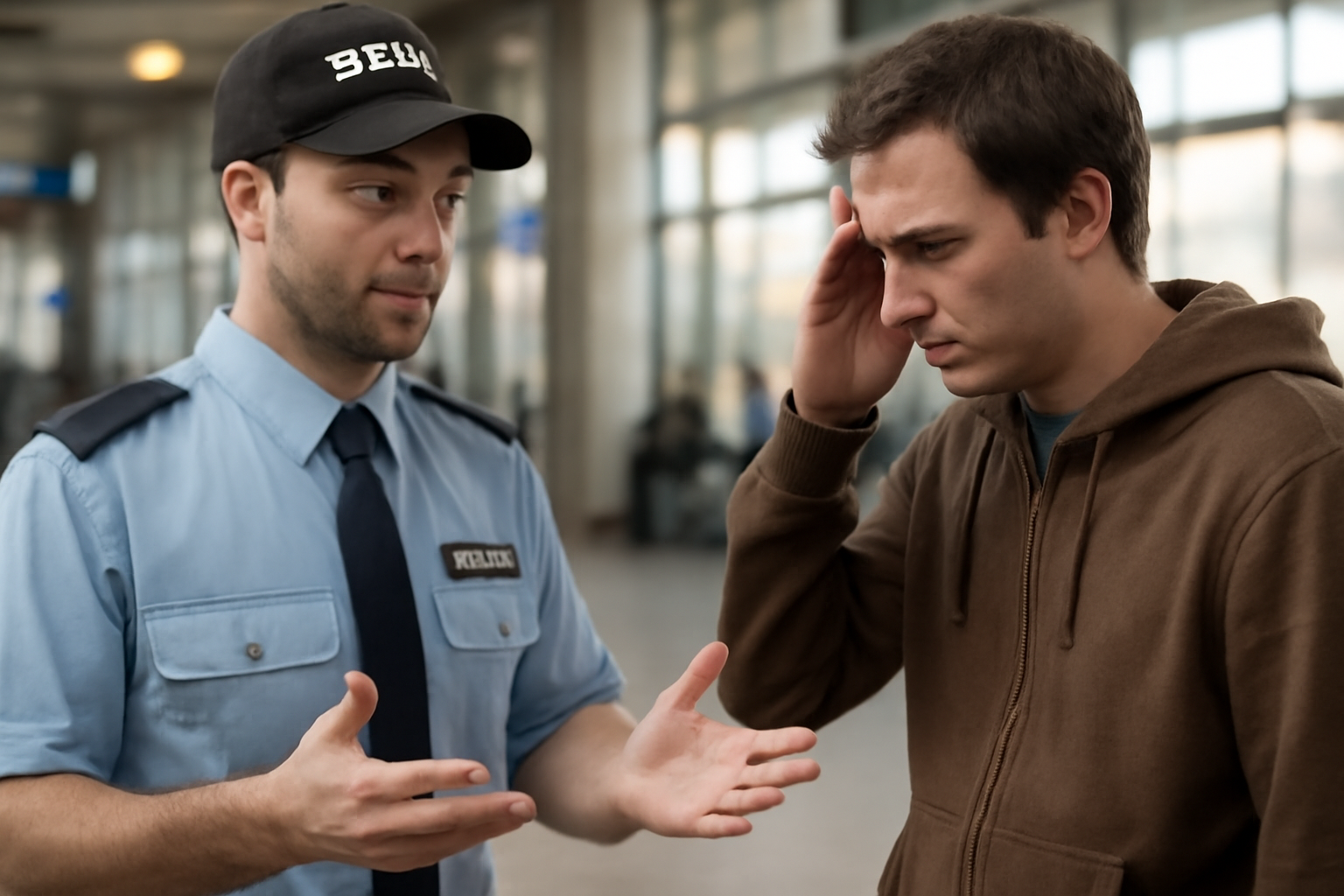
Nonverbal Communication in De-escalation
As a security guard, you face tense moments. You may deal with angry customers, trespassers, or people in crisis. What you say matters—but how you say it matters even more. Your body language can either calm things down or make them worse.
Why Nonverbal Communication Matters
People react to what they see. If you look tense, aggressive, or closed off, others may respond with fear or anger. If you look calm, open, and confident, you can help defuse the situation. Nonverbal communication includes:
- Posture: How you stand or sit
- Facial expressions: Your eyes, mouth, brows
- Gestures: Your hands, shoulders, and head
- Eye contact: Where and how long you look
- Personal space: How close you stand
Using the right signals can lower tension and keep everyone safe.
Key Body Language Tips for De-escalation
- Stand upright but relaxed. Don’t slouch or puff up your chest.
- Keep your hands visible. Open palms show you are not a threat.
- Use slow gestures. Quick or jerky moves can scare people.
- Make eye contact, but don’t stare. Look at the person’s face, then glance away now and then.
- Keep a safe distance. Don’t crowd the person. Give them space to breathe and think.
- Watch your facial expression. Stay neutral or show concern. Avoid frowning, eye-rolling, or smirking.
These small actions help people feel respected and heard. That can stop a problem from getting worse.
Shift Checklist: Nonverbal De-escalation Readiness
- ✔ Feet shoulder-width apart, knees slightly bent
- ✔ Hands open and visible, no fists or crossed arms
- ✔ Calm facial expression, relaxed jaw
- ✔ Moderate eye contact—not staring
- ✔ Respectful distance kept (about 3–4 feet)
- ✔ Voice low and steady
Quick Scenario: The Upset Shopper
You’re posted at the entrance of a retail store. A customer storms in, yelling about a return issue. They’re loud and pointing fingers. What do you do?
Instead of matching their energy, you take a calm stance. You stand with feet apart, hands open at your sides. You keep your face neutral and nod slightly as they speak. You keep your voice low and steady, saying, “Let’s talk about it. I want to help.”
Your body shows you’re not a threat—and not afraid. The shopper starts to calm. You guide them to a quieter area and call a manager to assist. No shouting. No hands raised. Situation managed.
3 Common Questions (FAQ)
1. What if the person gets in my face?
Step back slowly to regain space. Raise your hands to chest height, palms out. Speak calmly. If you feel unsafe, follow your site policy and local law. Call for backup if needed.
2. Can I smile to calm someone down?
A light, respectful smile can help—but don’t grin or smirk. That could seem sarcastic or dismissive. Keep your expression neutral or gently concerned.
3. Should I mirror the other person’s body language?
Only if they are calm. Mirroring relaxed posture can build trust. If they are angry or aggressive, don’t copy that. Stay calm and non-threatening.
Action Takeaway
Use your body to send the right message. Stay calm, open, and respectful—even when others are not. Your nonverbal cues can stop conflict before it starts. Practice these habits every shift. They can keep you, and others, safe.

