
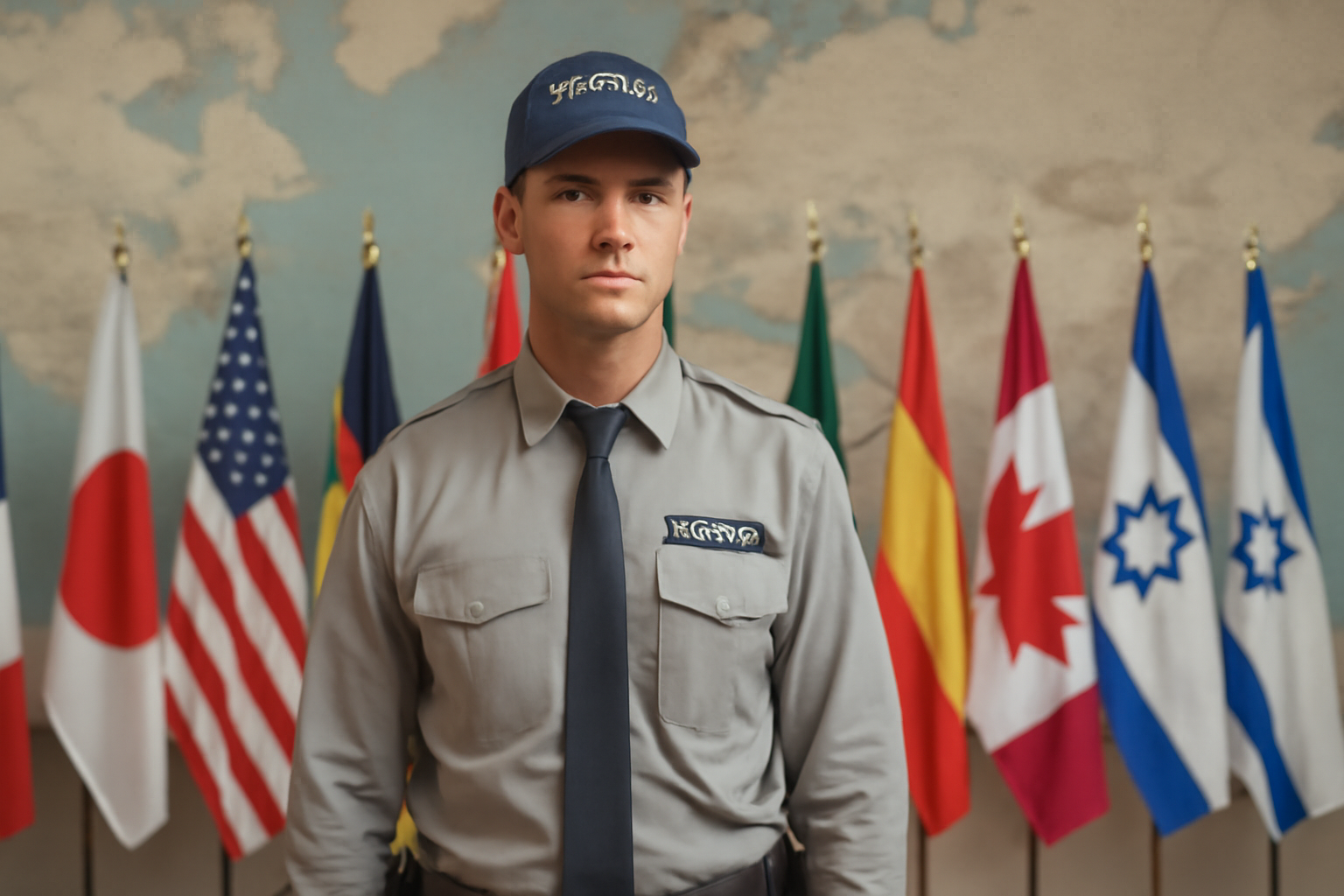
Understanding International Security Laws
Private security is a global industry. But the laws that govern it can be very different depending on where you are. Whether you’re working in the U.S., Europe, the Middle East, or Asia, it’s important to know the basics of local rules. This helps you stay safe, act legally, and protect others.
Why Security Laws Vary by Country
Each country sets its own laws for private security. These laws are shaped by culture, politics, and public safety concerns. Some countries have strict rules for licensing and training. Others may have looser guidelines or none at all.
For example:
- United States: Security officers must follow state licensing rules. Many states require training, background checks, and a license.
- United Kingdom: Guards must have a license from the Security Industry Authority (SIA). Training is required.
- United Arab Emirates: Guards must be certified through the Private Security Business Department. Uniforms and conduct are strictly regulated.
- India: The Private Security Agencies Regulation Act (PSARA) sets rules for training and licensing.
These are just a few examples. Always check the laws where you work or plan to work.
Key Legal Areas to Know
While laws vary, most countries regulate security in these areas:
- Licensing: Most places require guards to be licensed. This often includes background checks and training.
- Use of Force: Rules about physical force differ. Some countries allow guards to carry weapons. Others do not. Use only the force allowed by local law and site policy.
- Arrest Powers: In many countries, guards do not have police powers. Know what you can and cannot do if you detain someone.
- Privacy Laws: Some regions, like the EU, have strict data and privacy laws. Be careful with surveillance and personal information.
- Uniform and Identification: Some places require guards to wear specific uniforms and carry ID at all times.
Shift Checklist: Legal Basics for Any Country
- Know your site’s rules and follow them.
- Understand your legal authority—what you can and can’t do.
- Stay within your training. Don’t take actions you’re not trained for.
- Use force only if allowed and only when needed.
- Always report incidents right away, using the correct format.
- Keep your license and ID with you, if required.
- Respect local customs and privacy laws.
Quick Scenario: Working Abroad
Situation: You’re a licensed guard from the U.S. hired for a short contract in Dubai. You see someone trying to break into a parked car on camera.
What do you do?
You alert your supervisor and call local security or police. You do not confront the person unless your company protocol and local law allow it. You avoid using force unless there’s an immediate threat and you’re trained and allowed to act. Always follow site policy and local law.
3 Common Questions About International Security Work
1. Can I use my home country license to work abroad?
No. Most countries require a local license or permit. Check with your employer and local laws before working overseas.
2. What if I don’t speak the local language?
Learn key phrases and use translation tools. Many companies provide language support or bilingual supervisors. Good communication is part of your job.
3. What if laws are unclear or I feel unsure?
Ask your supervisor. Follow your site’s rules. If you’re still unsure, don’t act until you get clear instructions. Safety comes first.
Takeaway: Know the Law, Stay Safe
Working in security means more than standing guard. It means knowing the rules and staying within them—even when they’re different from what you’re used to. Before starting a shift, take time to understand your rights and limits. Follow site policy and local law. And when in doubt, always ask. That’s how professionals stay safe and do the job right.

