
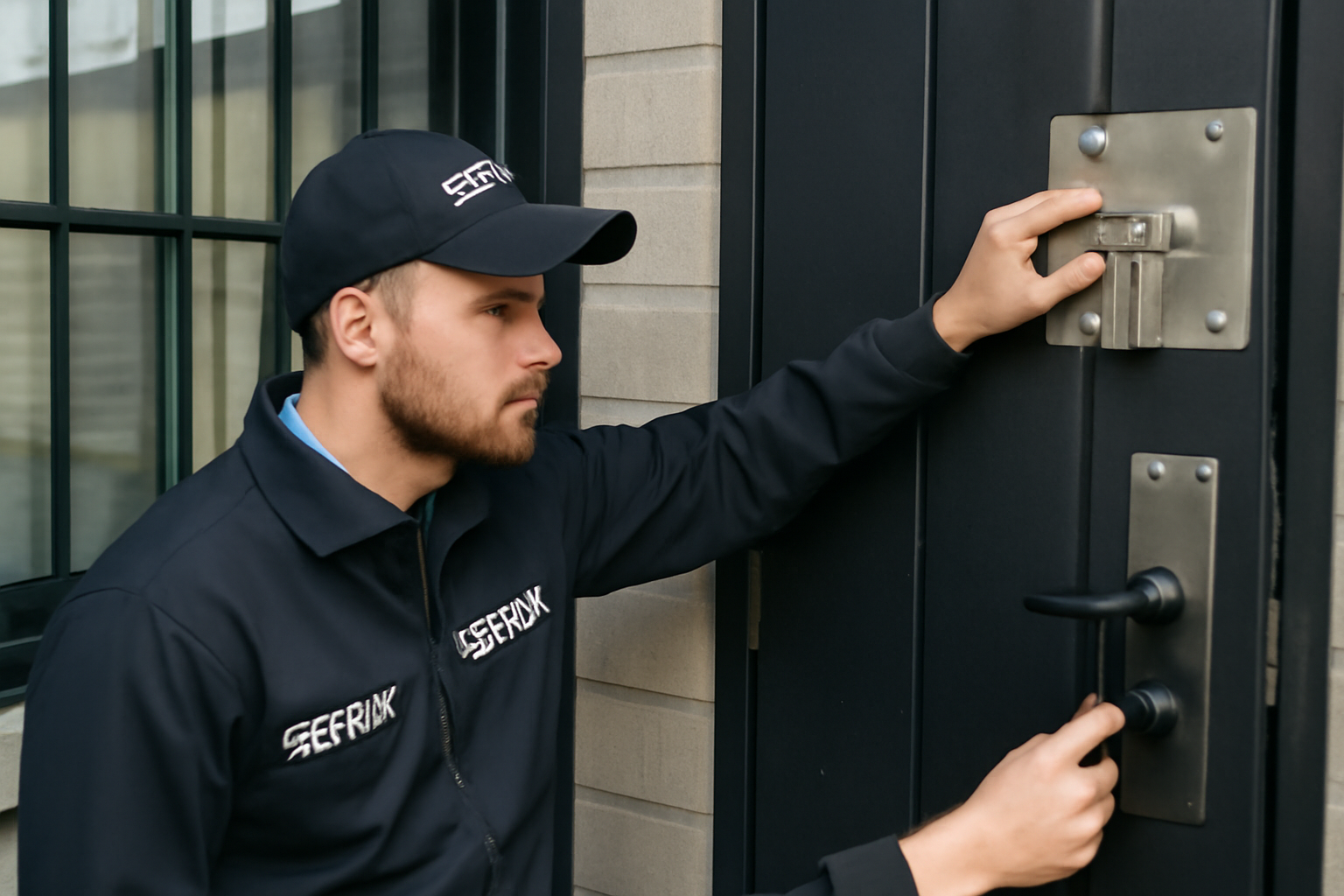
Building Hardening Techniques for Security Guards
As a security guard, one of your main jobs is to protect people and property. A big part of that is making sure buildings are hard to break into. That’s what “building hardening” means—making entry harder for criminals.
This article covers simple, effective ways to harden buildings. You’ll learn how to spot weak points, reinforce doors and windows, and improve your site’s overall safety. Use these tips during your shift to prevent break-ins and reduce risks.
Why Building Hardening Matters
Criminals look for easy targets. If a building looks weak—cheap locks, dark corners, loose panels—they’re more likely to try their luck. But when you make entry difficult, they often move on.
Hardening a building doesn’t mean turning it into a bunker. It means smart upgrades and constant awareness. You can help by checking the site regularly and reporting weak areas.
Key Areas to Check
- Doors: Are they solid core or metal? Do they have deadbolts?
- Windows: Are they locked? Are there bars, film, or alarms?
- Locks: Are they working? Are they high-grade (ANSI Grade 1 or 2)?
- Lighting: Are entry points well-lit at night?
- Perimeter: Are fences intact? Gates locked?
- Roof and vents: Are they secured against entry?
Reinforcing Doors
Doors are a main target. If they’re weak, intruders can kick them in or pry them open. Here’s how to make them stronger:
- Use solid core or metal doors. Hollow ones break easily.
- Install deadbolts with at least a 1-inch throw bolt.
- Use reinforced strike plates with long screws (3 inches or more).
- Add door edge guards and hinge bolts to prevent prying.
- Check closers and make sure doors latch fully when shut.
Securing Windows
Windows are common entry points. Criminals may break or slide them open. Improve their security with these steps:
- Keep windows locked when not in use.
- Apply security film to make glass harder to shatter.
- Install window bars or grilles in high-risk areas.
- Use window sensors connected to alarms, if available.
Other Weak Points
Sometimes, criminals get creative. They may try the roof, vents, or crawlspaces. Stay alert to these risks:
- Check rooftop access ladders—are they locked or caged?
- Inspect HVAC vents and grates—can they be removed easily?
- Look for loose panels, broken fences, or gaps in walls.
Lighting and Visibility
Dark areas make it easier for intruders to sneak in. Good lighting helps you spot trouble early. Here’s what to check:
- Are entrances and exits well-lit?
- Are motion lights working?
- Are light bulbs burned out or blocked by bushes?
Shift Checklist: Building Hardening
- Walk the perimeter. Check fences, gates, and walls.
- Inspect all doors. Look for loose locks or damage.
- Check windows. Make sure they’re closed and locked.
- Test lighting. Report any outages or dark spots.
- Look up. Check rooftop access and vents.
- Note any weak points. Report them to your supervisor.
Quick Scenario
You’re patrolling the rear of a warehouse at night. You notice a door that isn’t latching fully. It looks like the strike plate is loose. What do you do?
Action: Don’t ignore it. Secure the door if you can. Then report the issue right away. A loose strike plate is a major weak point. Someone could kick that door in.
3 Quick FAQs
1. Should I try to fix broken locks or doors?
No. Report the issue to your supervisor or site contact. Only trained personnel should make repairs.
2. What if the client refuses upgrades?
Document what you’ve observed and report it. Follow site policy and local law. Your job is to inform, not enforce upgrades.
3. How often should I check for weak points?
Every shift. Threats change. Something that was secure last night may be broken today.
Takeaway
Building hardening is a key part of site safety. As a guard, you’re the eyes and ears on the ground. Use your patrols to spot and report weak points. Reinforced doors, locked windows, and well-lit areas can stop a crime before it starts. Stay alert, check your surroundings, and always put safety first.

