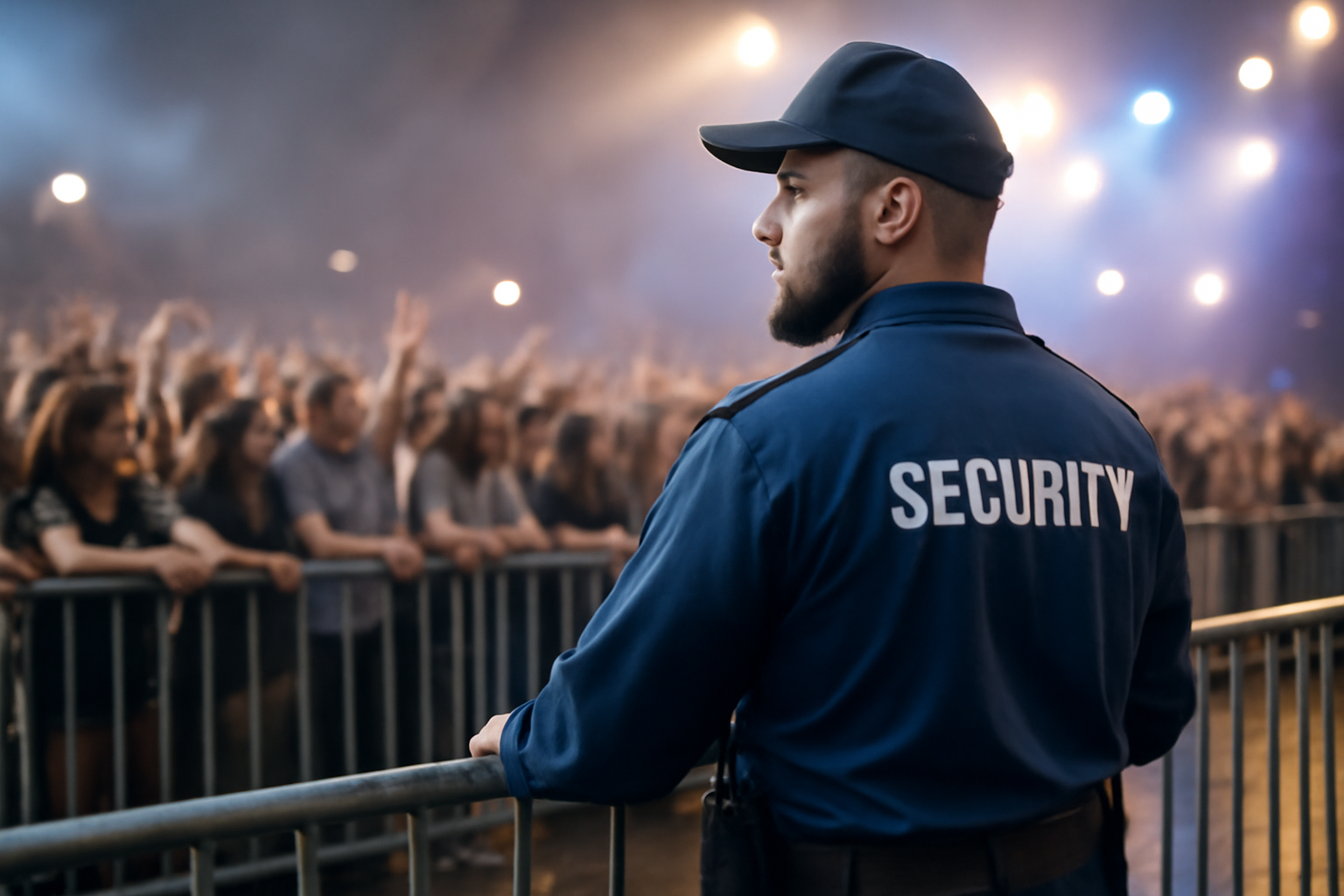
Venue Security Risk Assessment
Every event or venue has its own risks. Your job as a security guard is to spot those risks before they become problems. A good risk assessment helps you protect people, property, and yourself. This guide gives you practical steps to assess any event space.
Why Risk Assessment Matters
Risk assessment helps you plan. It tells you where to focus. It helps prevent incidents. Most importantly, it keeps people safe. Whether it’s a concert, a sports game, or a trade show, knowing the risks helps you respond faster and smarter.
Start with the Basics
Before the event, ask yourself:
- What kind of event is it?
- How many people will attend?
- What’s the layout of the venue?
- Are there any high-risk areas (like VIP zones or alcohol service areas)?
- What’s the weather forecast?
These questions help you prepare for common issues like crowd control, medical emergencies, and entry problems.
Key Threat Areas to Watch
Here are some risks to look for:
1. Entry and Exit Points
- Are they clearly marked?
- Are they wide enough for a fast evacuation?
- Are they monitored?
2. Crowd Movement
- Are walkways clear?
- Can people move without pushing or bottlenecks?
- Are there barriers to guide flow?
3. Restricted Areas
- Are VIP or staff-only areas secured?
- Are credentials checked?
4. Suspicious Behavior
- Is anyone acting nervous or out of place?
- Are bags or packages left unattended?
5. Emergency Access
- Can emergency crews get in fast?
- Are medical kits and fire extinguishers nearby?
Shift Checklist
Use this checklist before and during your shift:
- Walk the venue before doors open.
- Check all exits and emergency paths.
- Test radio or phone communication.
- Know where first aid and fire gear are.
- Review the site’s emergency plan.
- Report hazards like blocked exits or broken lights.
- Watch for crowd buildup and suspicious behavior.
Scenario: Sudden Crowd Surge
You’re posted at a side entrance. A popular performer shows up unexpectedly. Fans rush toward the area. What do you do?
Step 1: Use your radio to alert your team.
Step 2: Block access if needed. Keep people calm and moving.
Step 3: Ask for backup if the crowd grows.
Step 4: Follow your site’s crowd control plan.
Always act fast but stay calm. Your goal is to prevent injury and restore order.
3-Question FAQ
1. Should I report minor hazards like a loose cable?
Yes. Small risks can lead to big problems. Report or fix them right away.
2. How often should I check my post for risks?
Stay alert at all times. Do a full scan every 15–20 minutes or when the crowd changes.
3. What if a risk goes beyond my training?
Back off and call your supervisor. Follow site policy and local law. Safety comes first.
Action Takeaway
Before every shift, scan your area for risks. Use your checklist. Talk with your team. The more you know about your venue, the better you can protect it.
“Don’t just stand there—scan there.” Your eyes and awareness are your best tools.
Stay sharp. Stay safe. You’re the first line of defense.