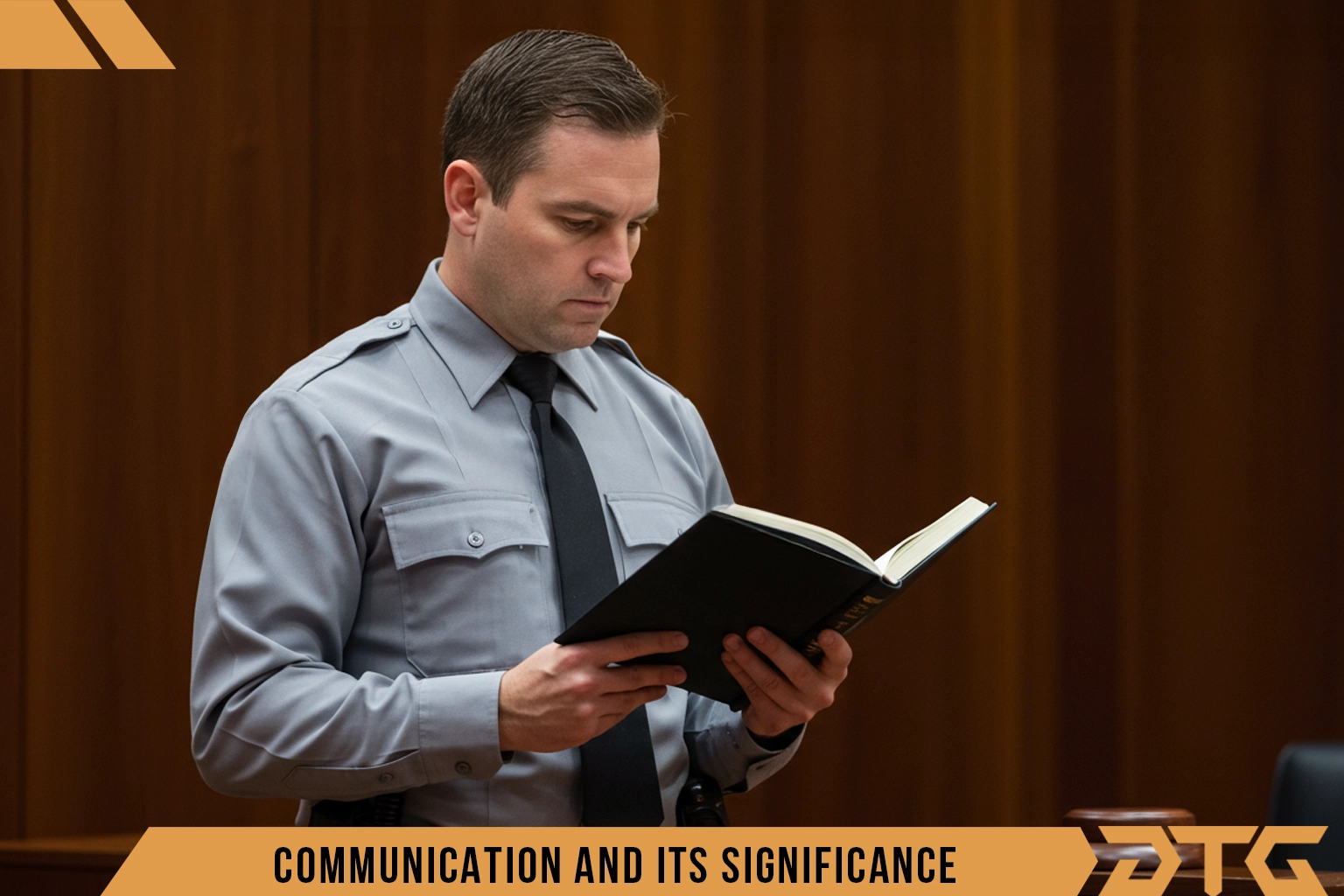
Communication and its Significance

About Course

Course Overview

This course equips physical security guards with the essential communication skills necessary for effective operations in both internal and external settings. It emphasizes understanding protocols, handling communication tools, and coordinating with key contacts to ensure safety, responsiveness, and professionalism.

What Will You Learn?

  • Understand the purpose of communication in enhancing safety, awareness, and response times
  • Apply internal communication protocols as outlined in organizational contracts
  • Use radios, monitors, and communication tools with professionalism and accuracy
  • Maintain clear and accurate communication logs for accountability and reporting
  • Coordinate effectively with first responders during emergencies and crises
  • Communicate critical information to medical personnel quickly and accurately
  • Engage appropriately with law enforcement and support their operations with accurate reports
  • Identify and work with city and government services during large-scale incidents
  • Analyze real-world scenarios to recognize effective vs. ineffective communication practices
  • Build confidence through role-playing and technology drills in high-pressure environments

Course Content

Introduction to Communication in Security Roles
Purpose of Communication in Security Building rapport with team members and external contacts. Enhancing situational awareness and response times. Reducing risks through clear, timely communication. Overview of Communication Channels Internal vs. External communication channels. Role of protocols and consistency in effective communication.

  • Lesson 1: Introduction to Communication in Security Roles
    04:17

Internal Communication Protocols
Understanding Contractual Communication Requirements Identifying who to contact within the organization and under what conditions. Escalation procedures for different incidents. Creating Communication Logs Documenting communication activities as per organizational standards. Importance of maintaining accurate records.

External Communication Protocols
Working with First Responders Protocols for calling emergency services. Providing concise, relevant information during emergencies. Coordination in Crisis Situations Establishing command hierarchy in emergencies. Methods for supporting first responders on-site.

Real-World Scenarios and Practical Exercises
Case Studies of Effective and Ineffective Communication Analyzing real-world scenarios to highlight best practices and common mistakes. Role-playing Exercises Hands-on activities simulating communication with internal teams, medical personnel, and law enforcement. Technology Drills Practical exercises on using radios, monitors, and other communication tools effectively.

Student Ratings & Reviews

No Review Yet
No Review Yet

Material Includes

  • Video lessons (1 per topic)
  • Quizzes for some lessons
  • Assignments for some lessons
  • Certificate of Completion
  • Access to Q&A and discussion boards

Requirements

  • No prior experience required
  • A willingness to learn and maintain a high standard of professionalism
  • Stable internet connection to access video content
  • Recommended: Notebook or device to take notes
  • Complete all quizzes and assignments to unlock your certificate

Audience

  • New security guards developing essential communication skills
  • Experienced guards seeking to strengthen coordination and reporting abilities
  • Supervisors responsible for overseeing guard communications and protocols
  • Security personnel working in high-risk or public-facing environments
  • Contract security firms needing standardized communication training for teams
  • Corporate and institutional security staff coordinating with emergency services
  • Guards assigned to events, healthcare, or critical infrastructure facilities
  • Individuals pursuing career advancement through improved communication expertise